


.svg)

What Software Helps Compliance Teams Manage Regulatory Obligations, Tasks, and Reporting?
Request a DemoSoftware used to manage regulatory obligations, compliance tasks, and reporting typically include Regulatory Change Management (RCM) systems, Continuous Compliance platforms, and Governance, Risk, and Compliance (GRC) software.
At a high level, these software replace manual tools like spreadsheets, email chains, and disconnected trackers. Instead of fragmented compliance work, they provide a centralised system for managing regulations, internal controls, tasks, and audit reporting.
In practice, compliance teams use these platforms to:
- Track regulatory requirements and updates
- Map regulations to internal policies and controls
- Assign and monitor compliance tasks
- Collect audit evidence
- Generate compliance reports
The goal is to move from reactive compliance to a structured, continuous, and auditable process. Here’s what you need to know.
What are the main types of compliance management software?
To break it down further, it helps to look at the main categories of software in this space and how each one works in practice:
- Regulatory Change Management (RCM) tools monitor external regulatory changes across jurisdictions and alert compliance teams to new or updated obligations. They also help turn updates into action by letting teams assign tasks and document internal actions for progress reporting and auditing.
- Continuous Compliance platforms focus on ongoing internal compliance assurance rather than external regulatory tracking. They continuously monitor control effectiveness, automatically collect audit evidence, and track remediation tasks, so teams maintain always-on audit readiness rather than scrambling before each audit cycle.
- Governance, Risk, and Compliance (GRC) platforms take a broader approach, connecting regulatory obligations, internal controls, and enterprise risk frameworks into a unified system. This helps organisations understand how compliance and risk interact across the business, though these systems are typically complex and require dedicated resources to implement and maintain.
Together, these categories cover a wide spectrum of compliance needs, from managing what's changing externally to demonstrating control effectiveness internally to controlling risk and governance at an enterprise level.
What features do compliance teams look for in these tools?
Across RCM, continuous compliance, and GRC platforms, several core features are consistently important:
- Centralised regulatory obligation management: Teams need a single source of truth that stores regulatory requirements, maps obligations to internal policies and control, and keeps compliance documentation structured and searchable.
- Workflow automation and task management: Effective platforms support task assignment to responsible owners and deadline tracking and reminders. This reduces reliance on manual follow-ups and spreadsheets.
- Automated evidence collection: Instead of teams manually reconstructing what happened during audits, look for platforms that log compliance-related actions as they happen, record who did what, when, and in what context, and maintain a continuous audit trail of decision-making and workflow activity.
- Reporting and compliance visibility: Strong reporting features help teams track compliance status in real time, produce audit-ready reports, and share dashboards with leadership and regulators.
The right combination of these features determines whether a platform genuinely simplifies compliance work or simply adds another system to manage.
How Vixio helps compliance teams manage obligations, tasks, and reporting
For compliance teams managing regulatory obligations, tasks, and reporting, Vixio is a regulatory change management platform built for iGaming, payments, and financial services. It connects regulatory intelligence with operational workflows, so nothing falls through the gap between spotting a change and acting on it.
With Vixio, teams can:
- Monitor obligations across 1,400+ regulators and 200+ jurisdictions in one place
- Extract actionable requirements directly from source legislation
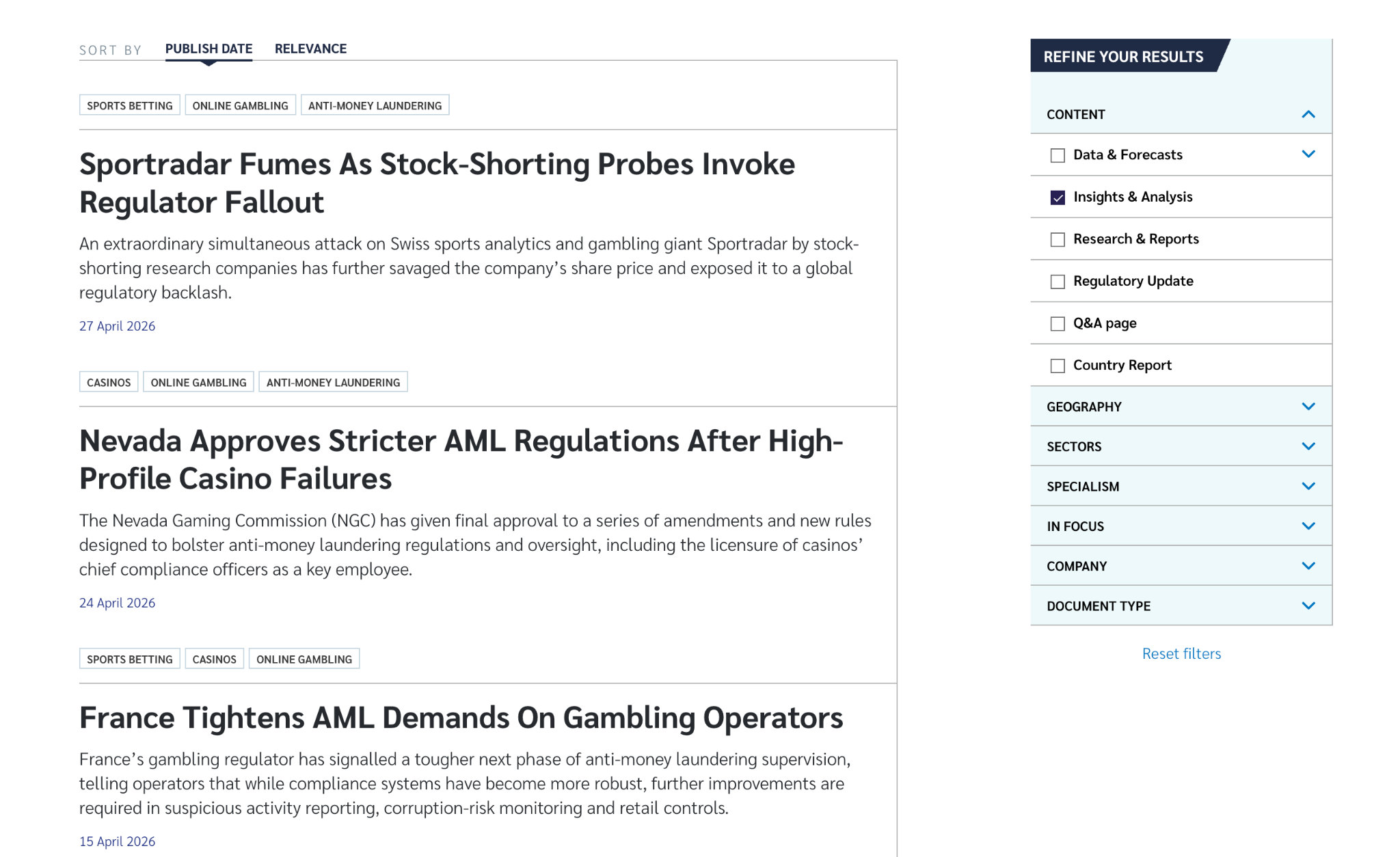
- Assign tasks, set deadlines, and track progress against specific regulations
- Maintain a continuous audit trail without manual reconstruction
- Give leadership real-time visibility across all markets through live dashboards
Over 500 organisations use Vixio to stay on top of regulatory change. Book a demo to see how Vixio can work for your team.
FAQs
How does regulatory change management software work?
It continuously monitors regulatory sources, identifies relevant changes, and alerts compliance teams. Many tools also help teams manage the subsequent tasks, policy updates, or risk actions triggered by a regulatory change.
Why do companies use continuous compliance tools?
Companies use them to maintain ongoing audit readiness, automate evidence collection, and reduce the manual workload involved in preparing for compliance audits.
How do compliance platforms create audit evidence automatically?
Modern compliance platforms generate evidence by automatically recording user actions within workflows.
As teams complete tasks, approve controls, or update compliance records, the platform logs what action was taken, who performed it, when it happened, and how it fits into the overall compliance process.
This creates a built-in audit trail, so teams don’t have to reconstruct activity later or manually document their steps. The system effectively turns day-to-day compliance work into structured, audit-ready evidence.
Who typically uses GRC software?
GRC software is usually used by larger organisations with formal compliance, audit, and risk teams, especially in regulated industries like finance, healthcare, and technology.
What is the difference between GRC and compliance software?
GRC software combines governance, risk management, and compliance into one system, while other compliance software may focus only on regulatory tracking or audit readiness. GRC is broader and more enterprise-focused.
Request a demo
Insights and intelligence for some of the world’s biggest brands


What our clients say


