
Vixio Intelligence
To keep up to date on Vixio webinars, events and industry and product news,
sign up today
Subscribe NowMiCA CASP authorisation explained: the requirements, a realistic 6 to 12 month timeline and the challenges that delay applications, plus how to prepare.
If you're looking into MiCA CASP authorisation, you're probably trying to figure out what it takes to get authorised as a crypto-asset service provider and what the process involves.
While you might have a general understanding of the EU’s Markets in Crypto-Assets (MiCA) regulation, it can be complicated to turn the framework into a clear plan for authorisation. You need to take a close look at the regulation to know which requirements apply to your activities, what you'll need to prepare, and how the application process could affect your timeline.
The challenge also goes beyond finding the right information. Authorisation requirements can evolve, and national regulators may apply them differently across jurisdictions, making it difficult to turn MiCA’s requirements into practical next steps. General AI tools can help surface high-level information quickly, but they often lack the nuance needed to determine how requirements apply to your business or what to prioritise when preparing your application. That’s where up-to-date regulatory intelligence and human expertise still matter.
In this guide, we break down the MiCA CASP authorisation process, from the requirements and expected timeline to the challenges firms may encounter along the way. We’ll also look at the current state of MiCA across the EU and how Vixio can help digital asset providers move from initial research to practical preparation.
Need help navigating CASP authorisation requirements? Vixio is a regulatory change management platform that helps digital asset providers understand regulatory developments, assess their impact, and prepare for what’s next. Book a demo to find out how.
The Markets in Crypto-Assets Regulation (MiCA) is the EU's first comprehensive regulatory framework for crypto-assets, including e-money tokens (EMTs) and asset-referenced tokens, and crypto-asset service providers (CASPs).
Before MiCA, each of the 27 member states took its own approach to crypto-asset regulation. Some had established national licensing regimes, while others relied primarily on anti-money laundering requirements. This created regulatory uncertainty for crypto businesses looking to operate or already operating across multiple countries, as well as inconsistent consumer protection.
MiCA seeks to address these issues by establishing common requirements for authorisation, governance, consumer protection, safeguarding of assets, and market integrity. It also introduces passporting rights, allowing CASPs authorised in one member state to operate across the EU without having to obtain a separate authorisation in each one.
In essence, MiCA was designed to create a more consistent regulatory environment while making the European crypto-asset market safer, more transparent, and more competitive.
So what does the framework cover in practice, and which crypto-asset services fall within its scope?
Under Article 3(1)(16) Regulation (EU) 2023/1114, ten activities fall under MiCA’s definition of crypto-asset services:
If a business provides one or more of these services, it may need to obtain MiCA authorisation as a CASP. Let’s take a look at what that involves.
CASP authorisation is the regulatory approval that allows a firm to provide specified crypto-asset services in the EU under MiCA. Importantly, authorisation isn’t a simple registration exercise. Firms have to demonstrate they have the financial resources, operational capabilities, and governance arrangements necessary to provide crypto-asset services safely.
To apply for authorisation, firms must provide detailed information to their national competent authority on how they operate, including their business model, governance, senior management, financial resources, internal controls, prudential safeguards, outsourcing arrangements, and ICT infrastructure.
The specific requirements are prescribed in MiCA and by each jurisdiction’s competent authority, such as the AFM in the Netherlands or the MFSA in Malta. For digital asset firms, it can be challenging to work through this dense regulatory information and turn it into a clear picture of what applies to their business and what they need to prepare.
To make this process easier, firms can use a platform like Vixio. As a regulatory change management platform, Vixio gives companies a single source of truth for the regulatory requirements relevant to their business, while providing tools to organise, assess, and manage those requirements.
One way Vixio puts this intelligence into practice is through its AI regulatory assistant, VIQ. VIQ lets users ask regulatory questions and get concise answers grounded exclusively in Vixio’s 20+ years of analyst-verified intelligence. You can see below how VIQ can be used to quickly surface the requirements for CASP authorisation, including the core documentation requirements and initial capital requirements as set by Annex IV of MiCA:
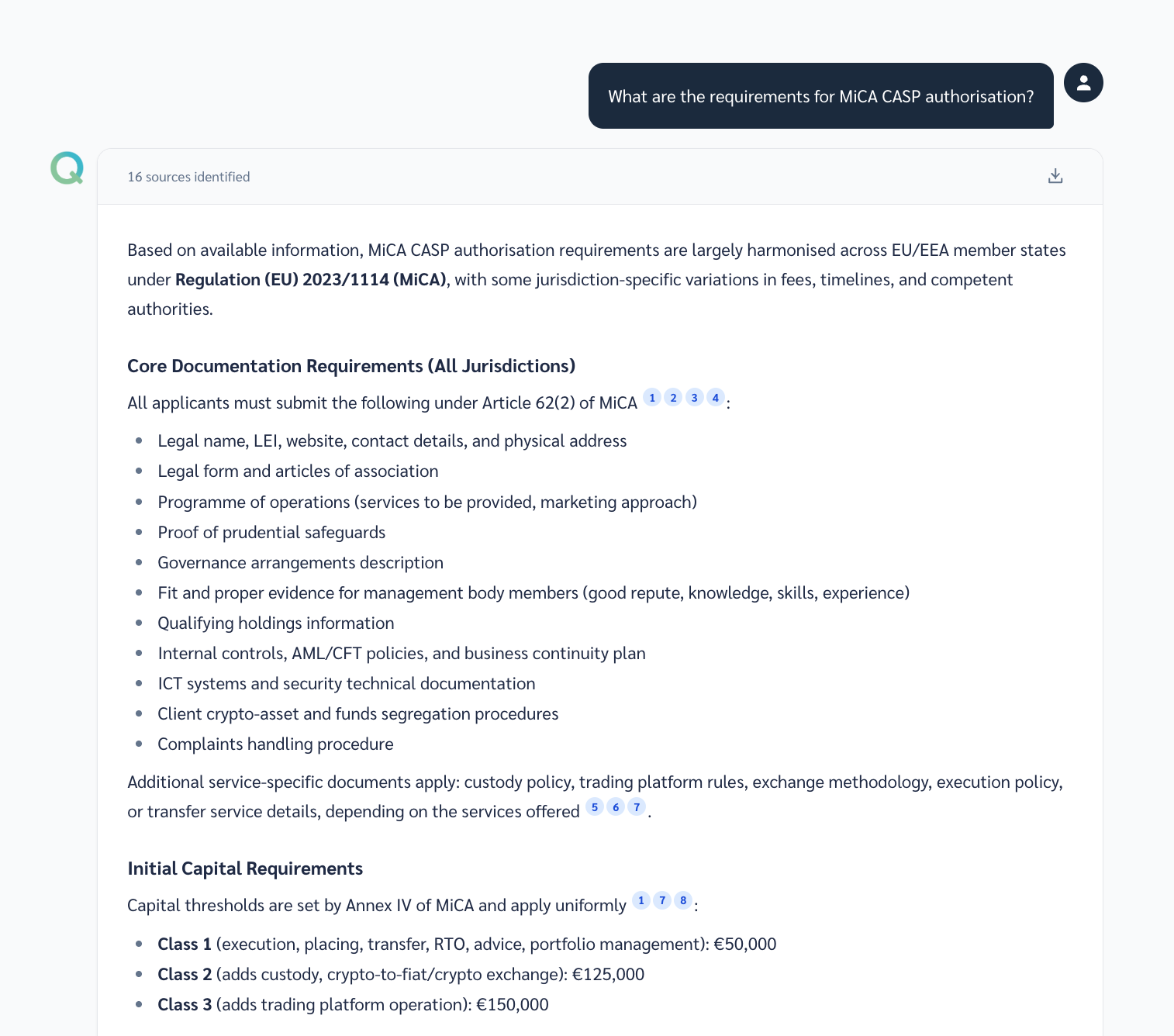
Note how the answers link straight back to the relevant sources, so users can quickly check the details or dig deeper into the legislation and guidance. This lets them move from initial research to practical preparation more quickly, rather than spending hours searching through regulatory text.
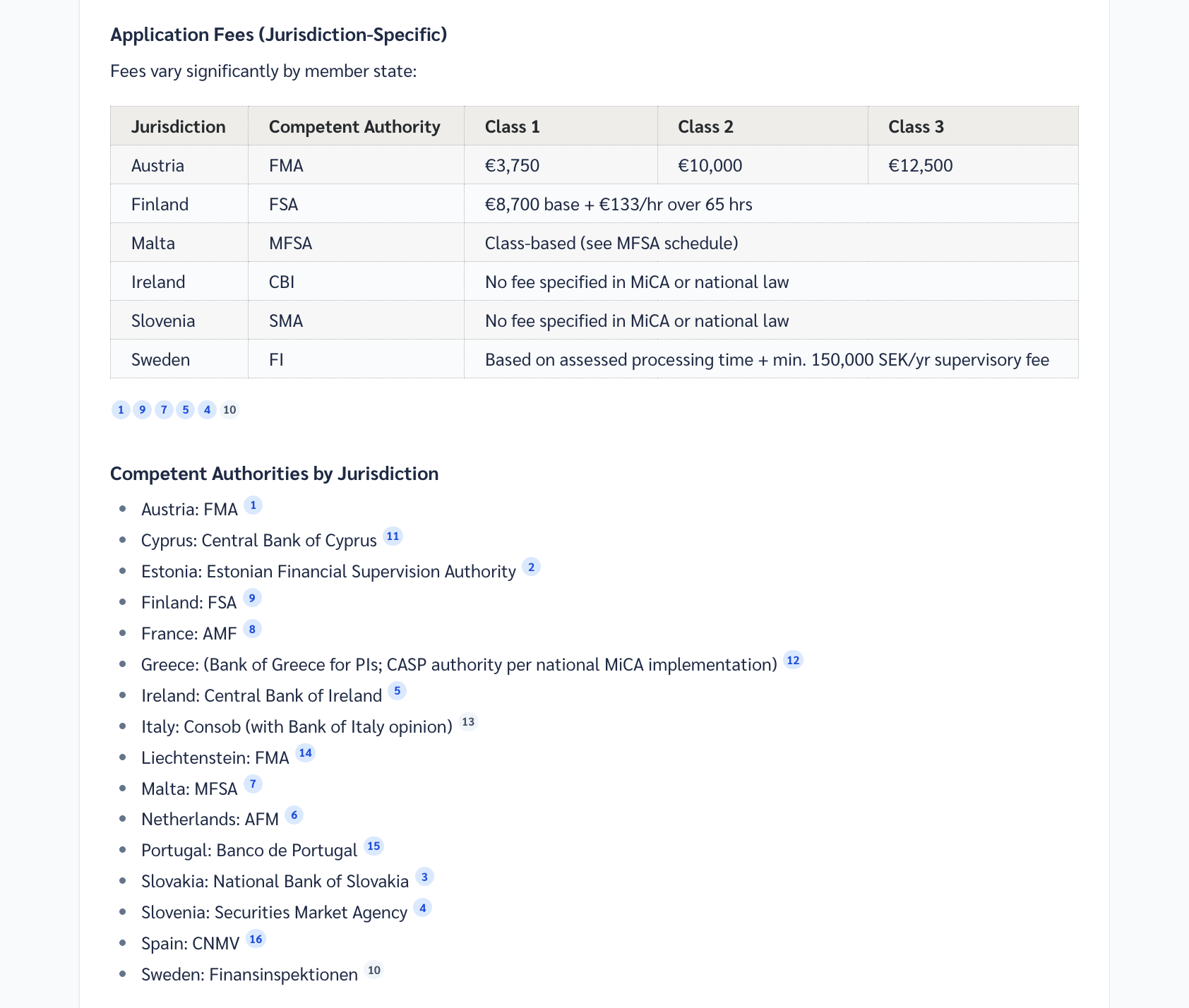
It’s just one way that Vixio helps financial services firms such as Worldline and Nuvei navigate regulatory requirements and stay ahead of change. See Vixio in action to explore what it could do for your team.
There’s no single timeframe that applies to every application. While the formal regulatory review has defined deadlines, firms also need time to prepare the application and respond to requests for additional information. In practice, the full timeline can take around six months to a year.
Here’s how the process typically breaks down:
Once authorised in one EU member state, a CASP can use MiCA’s passporting framework to offer its authorised services across the EU. It needs to notify its home authority of where and how it plans to operate, after which the authority needs to share the information with the relevant member states within 10 working days.
While the CASP authorisation process has defined requirements and regulatory timelines, meeting them is easier said than done. Regulatory reviews of CASP applications have highlighted several areas where firms can run into difficulties. Understanding these potential challenges early can help your firm avoid unnecessary delays during the application process.
In March 2026, the Central Bank of Ireland identified business model clarity as a key challenge for some CASPs seeking authorisation in 2025. This was particularly relevant for firms with complex group structures or those providing multiple crypto-asset services.
For example, a firm might operate a crypto exchange through one part of its business while also offering portfolio management of crypto-assets as a separate service. Each activity needs to be clearly identified, documented and mapped to the relevant MiCA requirements, including how responsibilities are divided across the group.
Ultimately, the Central Bank found that firms with a clear understanding of how their business models aligned with MiCA were generally able to progress through authorisation more smoothly and quickly.
In its January 2025 supervisory briefing, the European Securities and Markets Authority highlighted the importance of CASPs having effective management and decision-making capabilities in their home member state. This can be a barrier if your business currently relies heavily on management teams or operational functions based outside the EU.
If you’re an international crypto business setting up an EU entity, you’ll need to show you have the people, expertise, and decision-making capabilities to manage the business in the EU, rather than just existing as a legal structure.
In practice, that means thinking carefully about which responsibilities sit with your EU entity and who will carry them out. Regulators expect your firm to have genuine control over its activities, with key decisions and responsibilities managed from within the EU rather than delegated back to a parent company or overseas team.
Firms should also be prepared for detailed scrutiny from the regulator, particularly around whether they’ve properly identified and addressed the risks associated with their business.
ESMA's July 2025 peer review of Malta found several material issues that remained unresolved when a CASP was authorised, including concerns around governance, conflicts of interest, ICT infrastructure, custody arrangements, and anti-money laundering controls.
The review effectively raised questions about whether applications are being adequately assessed before authorisation is granted. While this was a review of a specific authorisation, it offers a useful indication of the level of scrutiny involved from broader authorities. National regulators are expected to look closely at the details of your application and scrutinise whether your controls and risk management meet the required standards.
Finally, the quality of the application itself perhaps has the biggest impact on how smoothly the authorisation process moves forward.
The Central Bank of Ireland found firms that submitted sufficiently detailed documentation, secured the necessary funding, and allocated appropriate internal expertise generally navigated authorisation more efficiently.
This means firms need sufficient resources to support the application process, including a well-organised team that can coordinate input across different functions and ensure all required documentation is complete.
When information is fragmented, responsibilities are unclear, or supporting documents are incomplete, applications can face additional questions and requests for information (RFIs) from the regulator. A structured process for managing the application, tracking outstanding requirements, and coordinating contributions across teams can help firms avoid unnecessary delays and keep authorisation on track.
While MiCA has now moved beyond the initial implementation phase, that doesn’t mean the regulatory landscape is settled. Regulators are still refining how they apply and enforce the framework, with the rules themselves potentially evolving as new crypto-asset business models emerge.
For businesses seeking or already holding CASP authorisation, MiCA compliance can’t be treated as a one-time exercise. You’ll need to keep track of how supervisory expectations develop and where the framework itself may change. Here’s what to keep an eye on.
The transitional period for MiCA ended on July 1st, 2026, which means firms previously operating under national transitional arrangements must now hold the appropriate MiCA authorisation or otherwise qualify to provide services under the regulation.
National regulators are still developing their supervisory approaches, and questions remain about the consistency of authorisation assessments across member states.
As seen in ESMA’s peer review of Malta, the focus has now shifted from implementing MiCA to making sure it is applied consistently. Firms operating across multiple EU markets should keep a close eye on how regulatory expectations develop, even after obtaining authorisation.
Although MiCA establishes common regulatory requirements, national competent authorities still have some discretion in how they assess and supervise firms.
For example, regulators may have different evidence requirements for governance, outsourcing, local substance, and operational resilience. Differences in supervisory experience and resources can also influence how applications are reviewed and how firms are supervised after authorisation.
For crypto firms, this can create uncertainty when deciding where to establish their EU presence or how to prepare an application. It also increases the risk of regulatory arbitrage, where firms seek authorisation in jurisdictions perceived to have less demanding supervisory practices.
While some differences are inevitable as regulators build experience with a new framework, significant inconsistencies could undermine MiCA’s goal of creating a more level playing field across the EU. That’s why ESMA’s supervisory guidance and peer reviews will remain important in driving greater consistency between national authorities.
MiCA may not be the final version of the EU’s crypto-asset regulatory framework. As the market develops, regulators have identified areas where the rules could be clarified or expanded.
For instance, both ESMA and the European Banking Authority have recommended addressing gaps involving decentralised finance, staking, crypto lending and borrowing, and the classification of crypto-assets. The EBA has also called for stronger safeguards around multi-issuer stablecoin arrangements.
While the focus now is on ensuring the existing framework is applied consistently, firms should remain agile as new business models and risks prompt further regulatory change.
Preparing for MiCA CASP authorisation means making sense of complex regulatory requirements while coordinating the people and processes needed to meet them. And the work doesn't end after authorisation. Supervisory expectations continue to evolve, so your firm needs to continually stay informed and adapt as requirements change.
Vixio helps make that work more manageable. Building on our roots in regulatory journalism and intelligence, we've evolved into a unified regulatory change management platform that combines reliable, analyst-backed intelligence with tools to help firms understand the impact of regulatory updates and manage the steps needed to respond.
Trusted by financial services companies including PayPal, Wise, and Payoneer, Vixio helps firms move beyond simply keeping up with regulation to making it part of their growth strategy.
Here’s how you can use Vixio to navigate MiCA CASP authorisation:
Understanding MiCA requirements means being able to find accurate, up-to-date regulatory information and understand how it applies to your business.
This can be challenging when requirements are spread across legislation, regulatory guidance, and supervisory communications.
AI tools can speed up regulatory research, but generic tools may draw on outdated or unverified sources, miss important details, or lack the context needed to apply requirements correctly. In a regulated environment, those gaps can be costly. Under MiCA, national authorities can impose administrative fines of at least €5 million for certain infringements, including breaches related to crypto-asset services. That's why it's important to know where your regulatory information comes from and whether it's been properly validated.
With Vixio, you can research MiCA requirements using information that's validated by both technology and human analysts. Our SCANS technology monitors 246+ jurisdictions, 1,600+ regulators, and 6,200+ vetted sources, while human analysts manually monitor high-value sources that can't be scraped.
Analysts also have the final say on what's in scope, material, and ready to publish. This helps ensure you're working from current and verified regulatory intelligence rather than information that may lack source validation or important regulatory context.
You can take that research further with VIQ, Vixio's flagship AI-powered regulatory assistant. Unlike general-purpose AI tools, VIQ has zero exposure to the open web. It draws on our curated regulatory library, with information validated and enriched by expert analysts to help minimise the risk of hallucinations. Ask VIQ questions in plain English and receive source-linked answers based on Vixio's curated regulatory content.
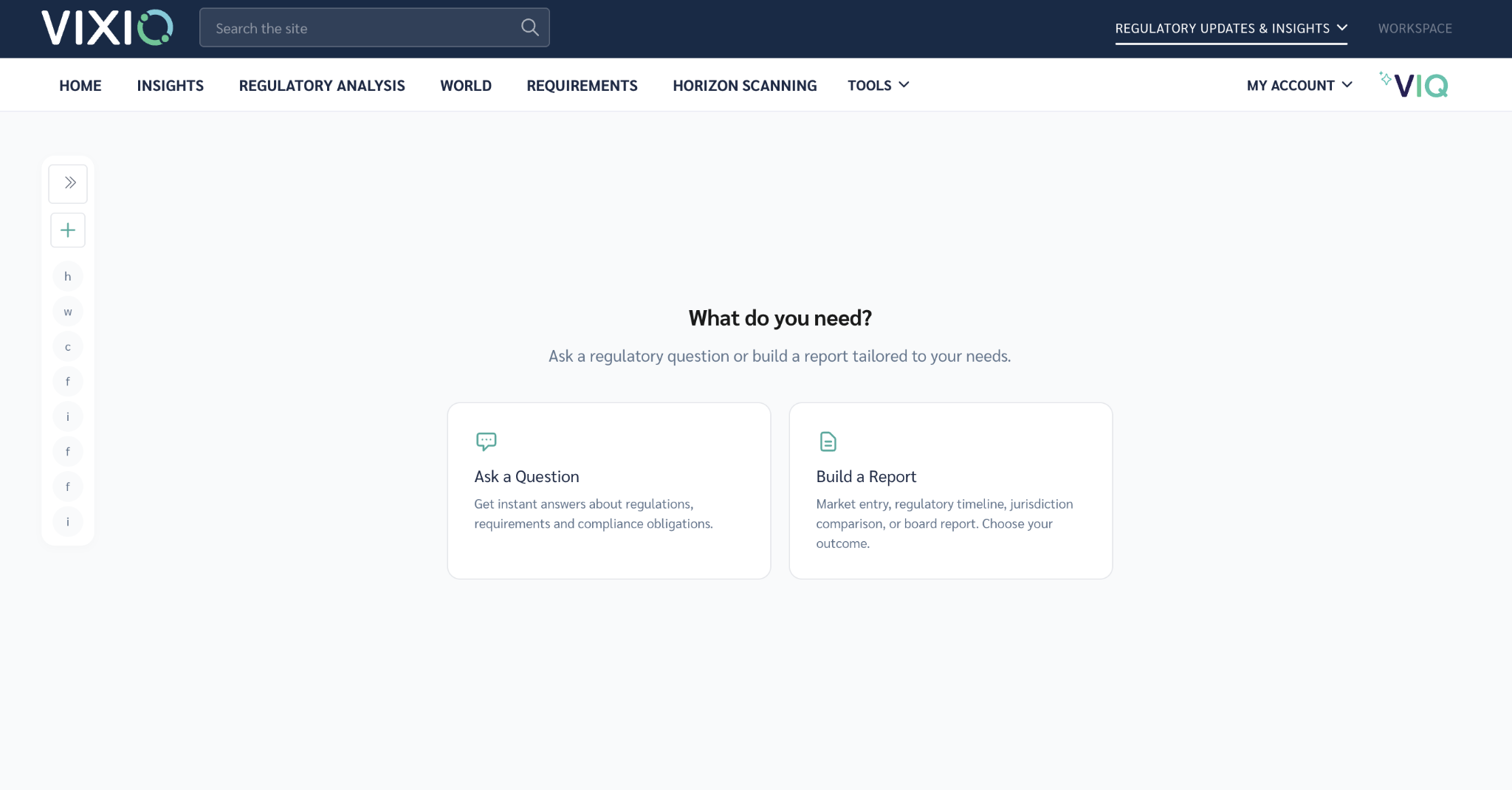
Together, Vixio's regulatory monitoring, expert analysis, and AI-powered research capabilities give you a reliable foundation for investigating MiCA and CASP authorisation requirements, with source-backed information you can trust.
Once you’ve decided to pursue CASP authorisation, you need to get into the specific requirements of your home member state. Who is the competent authority? How do you submit an application, and what information will you need to provide? With these details spread across different regulations, guidance documents, and regulatory websites, piecing everything together can take considerable time.
Vixio’s Jurisdiction Reports bring these details together in structured, easy-to-follow summaries of each market’s regulatory requirements. You can quickly see what's involved across areas such as licensing, AML and financial controls, data protection, safeguarding, and ongoing supervision, with links to the original regulatory sources when you want to dig deeper.
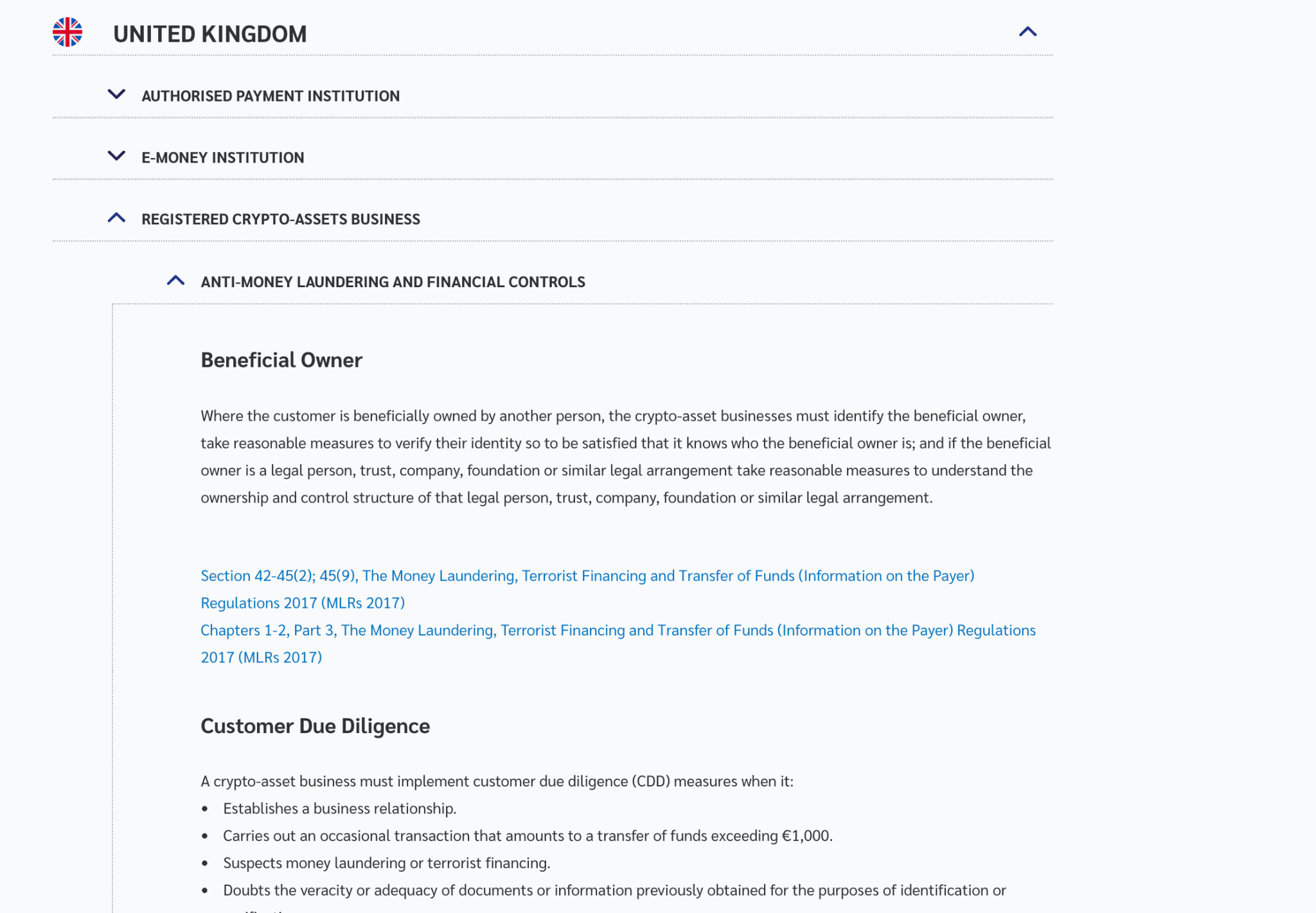
Instead of searching across multiple sources and trying to connect the dots yourself, you get a consolidated view of what CASP authorisation involves in your target market. This gives you a clearer starting point for understanding the requirements and preparing your application.
Once you know what needs to be done, you need a way to keep everything moving. Preparing for CASP authorisation can involve several teams, from compliance and legal to product and operations. Without a clear way to coordinate the work, tasks can end up scattered across spreadsheets and email chains, making it harder to keep track of who’s responsible for what.
Vixio’s Task Management tools give you a central place to organise this work. You can turn regulatory requirements into individual tasks, assign them to team members, and set deadlines. Everyone can then follow progress and collaborate directly within each task, with alerts and reminders to help prevent things from slipping through the cracks.
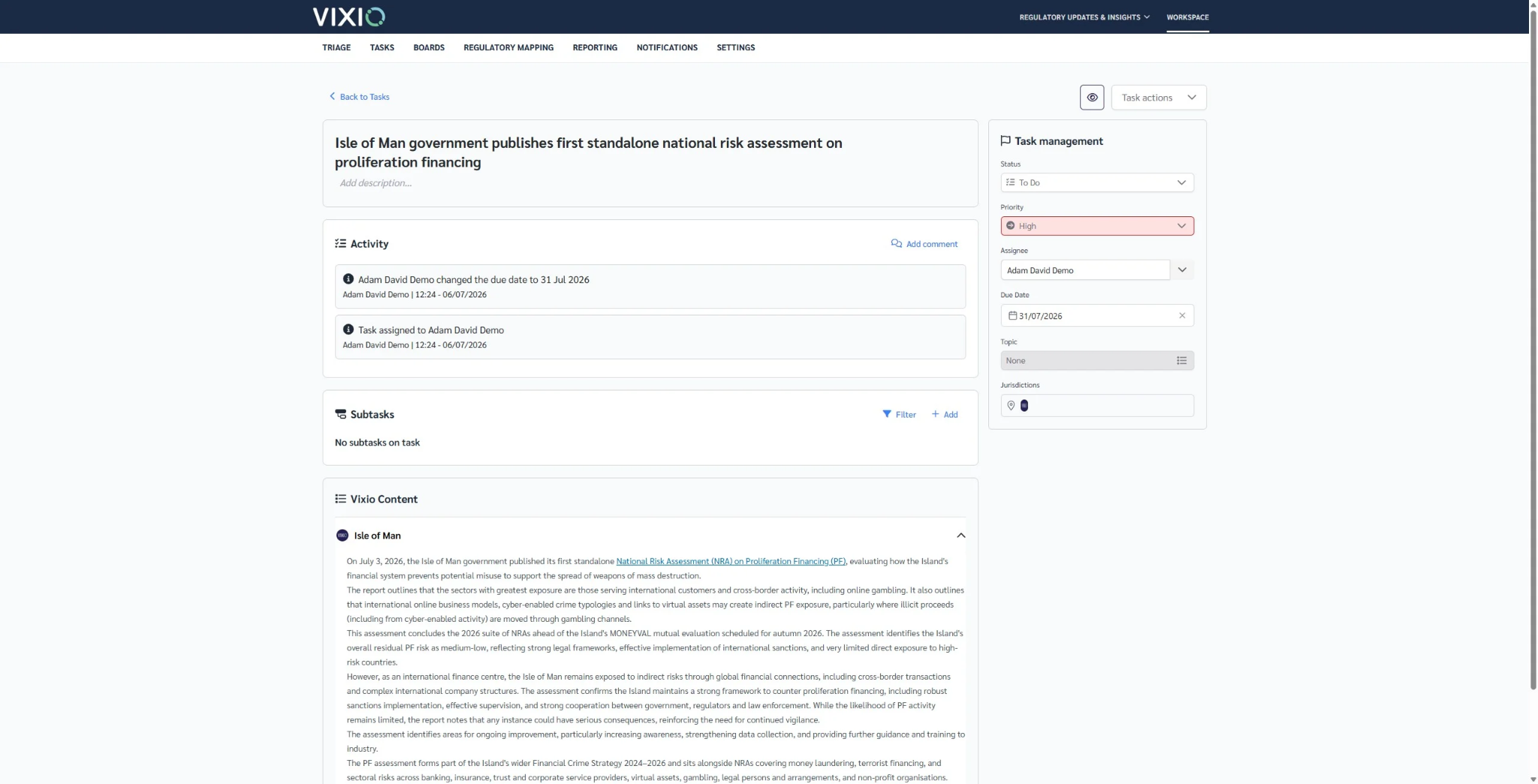
When you need to see how the wider project is progressing, Project Tracking gives you an overview of outstanding work and potential bottlenecks. It also makes it easier to keep leadership informed without having to chase updates across different teams.
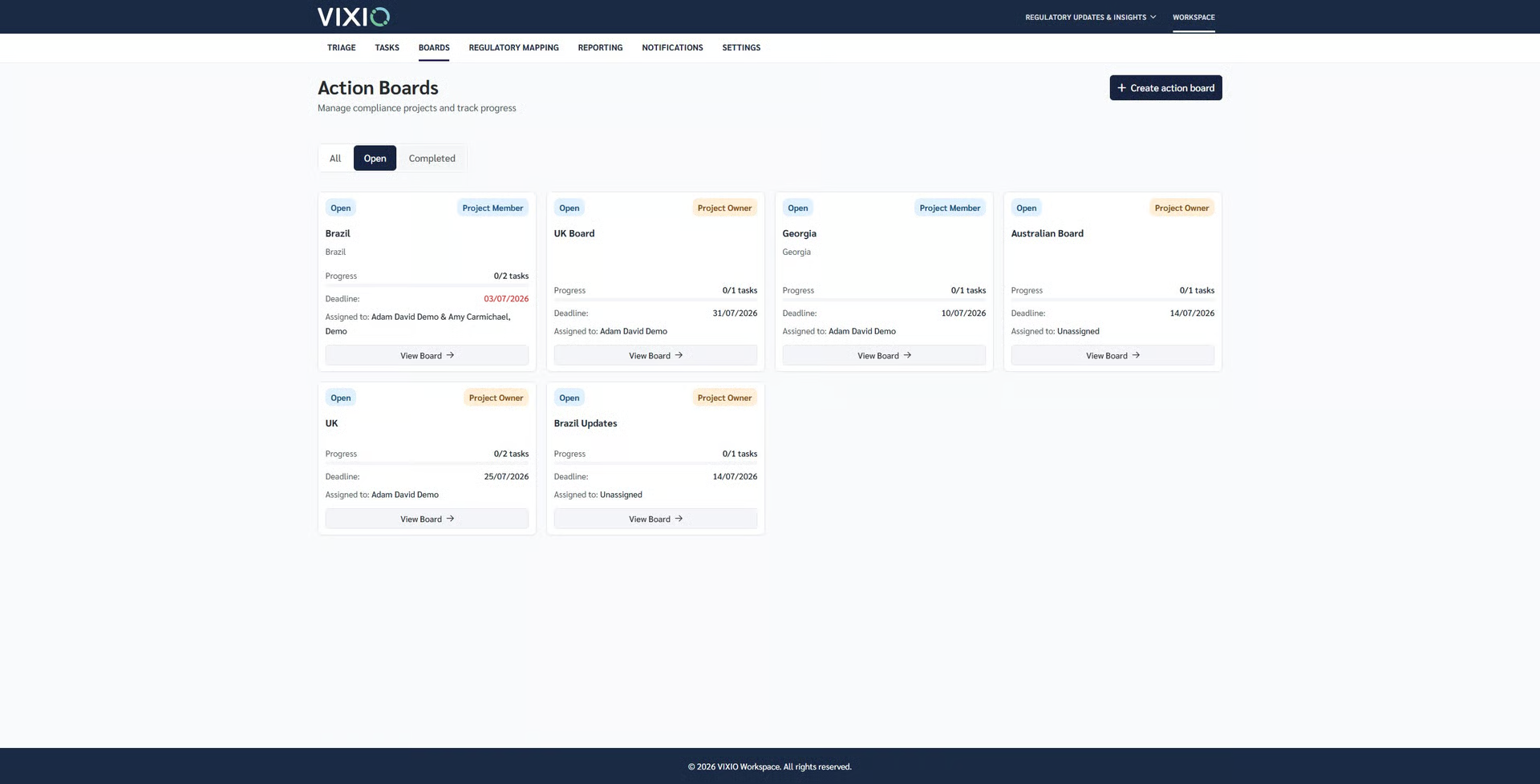
With responsibilities, deadlines, and progress clearly tracked, your team is better positioned to submit a complete, well-coordinated application and avoid preventable delays in the authorisation process.
More than 100 financial leaders, including Visa, Worldpay, Wise, and SumUp, rely on Vixio to cut through regulatory noise, consolidate updates, and turn regulatory intelligence into informed business and compliance decisions.
This includes Flywire, a global payments enablement and software company operating across multiple markets. For Flywire, staying ahead of regulatory developments is an important part of making strategic decisions, particularly when entering new markets or preparing for changing regulatory expectations.
Before working with Vixio, the company struggled to find a regulatory monitoring solution focused specifically on the payments and fintech industries. As Frans Wiwanto, Managing Director of APAC at Flywire, explains: “We wanted to have a tool that is hyper-focused on the environment that we are involved in, which is the payments industry. And we were happy to find Vixio.”
With access to payments-focused regulatory research and local expertise, Flywire can build a clearer picture of regulatory developments across its markets and understand what they could mean for the business. This is particularly valuable when exploring new markets, with the team able to research the local regulatory landscape and identify potential considerations before bringing in local counsel.
Vixio also helps Flywire look ahead, anticipating where regulators are likely to focus their attention so the company can prepare accordingly. As Wiwanto puts it: “With the help of Vixio, we are pretty accurate in terms of anticipating the areas of focus regulators are going to be coming up with in the new year, and we can then plan our resources and policies effectively and at a more targeted pace to meet the new challenges coming.”
Read the full Flywire customer story to find out how Vixio gives the company a competitive advantage through focused regulatory intelligence.
MiCA CASP authorisation can be a complex process, particularly as requirements continue to evolve and regulators take different approaches to implementation.
At Vixio, we’re on a mission to turn regulatory chaos into confident action, helping businesses turn compliance into a catalyst for growth. With the right insight and processes in place, teams can make decisions faster, respond to market changes with confidence, and build a culture of compliance that supports sustainable, long-term growth.
Want to see how Vixio can help you obtain your CASP licence? Book a call with our team for a free demo.
Businesses that provide crypto-asset services covered by MiCA generally need CASP authorisation. These services include custody and administration of crypto-assets for clients, operating a crypto-asset trading platform, exchanging crypto-assets, executing or placing orders, receiving and transmitting orders, providing crypto-asset advice or portfolio management, and providing transfer services. Some already regulated financial entities may be able to provide these services under MiCA without separate CASP authorisation.
To apply for MiCA CASP authorisation, submit an application to the national competent authority in your chosen EU member state. You’ll need to provide detailed information about your business model, governance, management body, financial resources, internal controls, client asset safeguarding, outsourcing arrangements, and ICT infrastructure.
MiCA CASP authorisation can take around six months to a year, including application preparation and regulatory review. Preparing the application typically takes two to four months. Authorities then have up to 25 working days to check its completeness and 40 working days to assess a complete application, with additional time possible if they request further information.
Yes. MiCA allows authorised CASPs to passport their services across the EU without obtaining separate authorisation in every member state. Firms must notify their home regulator of the member states where they intend to operate and the services they plan to provide. The home authority then shares this information with the relevant member states within 10 working days.
The main challenges include clearly mapping business activities regulated by MiCA, demonstrating sufficient personnel and management capabilities in the EU, assessing operational and compliance risks, and preparing complete application documentation. Firms must also demonstrate that they have the funding, expertise, and governance arrangements to meet regulatory expectations.